Hello, tender friends!
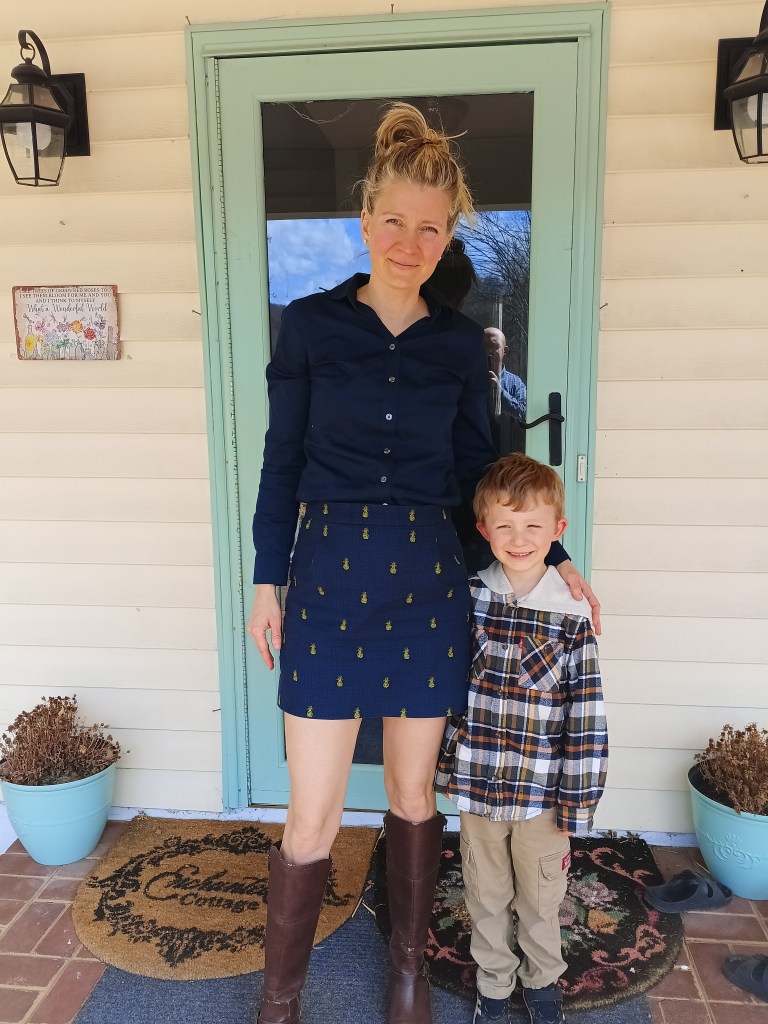
That precious little preschooler is reading books like Green Eggs and Ham, but not for the reasons you might think.
How did this little darling learn to read? Yes, I did phonics with him when he demonstrated signs of reading readiness. (I taught for 12 years before having Jacob and ran a mandated reading intervention group at my placement school).
Here’s what’s more important than phonics though:

He’s been exposed to the arts.
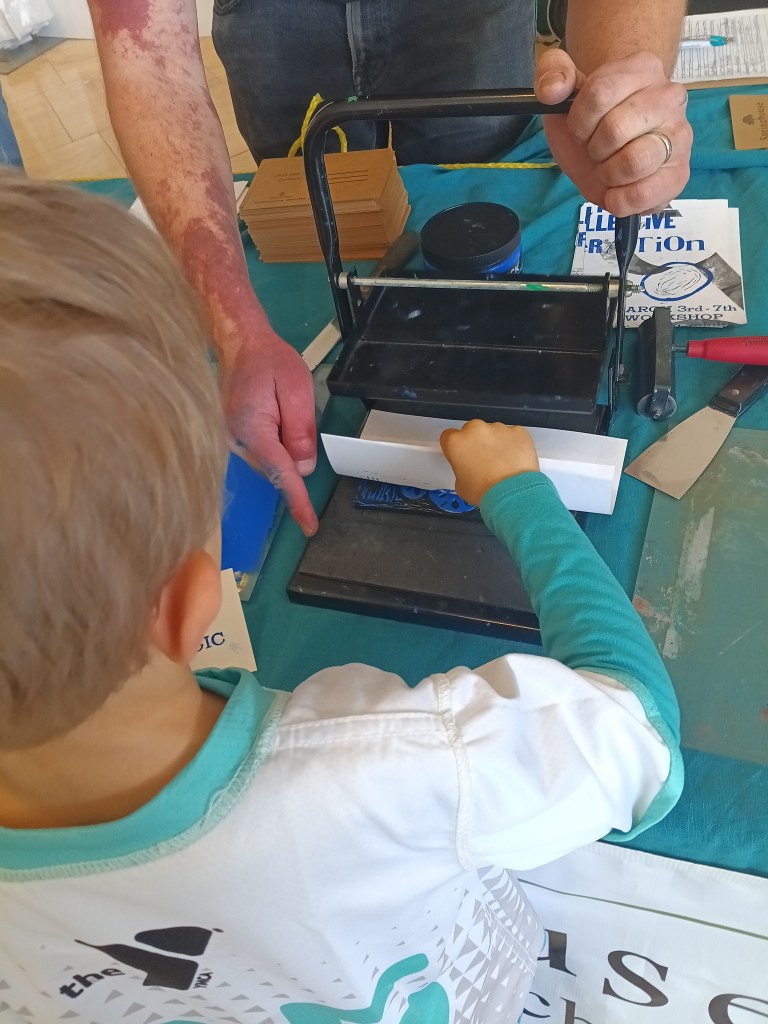
He practices hands-on activities, like this model for a printing press.

We go to gymnastics classes together on Mondays.
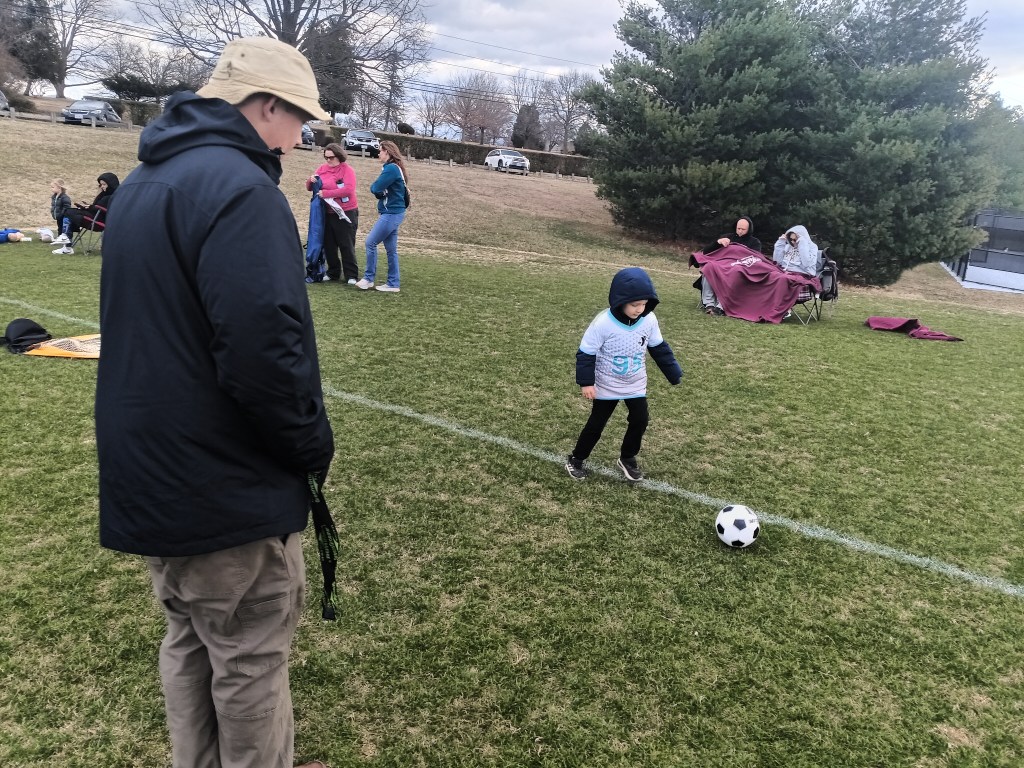
He’s started playing soccer.
The list goes on and on.
This is what I learned while teaching for a nonprofit in one of the most underachieving schools across the country: life experience is a more accurate predictor of reading ability than any amount of phonics.
When I taught fourth grade, I had a student who had a particularly difficult life. She scarfed down the breakfast and lunch that the school provided like she’d never seen food. She was always on the list for shoes and pajamas at Christmas time because she wouldn’t get anything if she didn’t get them by donation. Her mom never returned my phone calls.
My principal gave her family a Christmas tree one year and returned to her office with tears in her eyes. We are both still working into the evening. “They don’t have heat,” she told me. I don’t remember what the temperature was at that moment, but the high that day had been 12°.
During reading intervention one day, she decoded the text perfectly but got all the comprehension questions wrong. I was perplexed.
She read the text again. She got all the questions wrong. I read it to her out loud. She got all the questions wrong.
All the comprehension questions were about a fireplace that was referred to as simply “the fire” in the text. I finally asked her what she was thinking since traditional instruction wasn’t working.
She said, “There’s no such thing as a fire inside.” She’d never seen a fireplace. She’d grown up in squalor in an inner city apartment. Asking her to read about a fireplace was like asking a blind student to read Braille about colors.
I showed her a picture of a fireplace on Google. With this understanding, she wrapped her determined and always filthy little fingers around the text to try the questions again. This time she answered them all correctly.
We high-fived. I told her I was proud of her hard work. She smiled widely. I saw how much the compliment meant to her.
This is the takeaway for pedagogy: every life experience that you have forms a schema in your brain. Every time you read something that’s related to that schema, a dendrite gets activated and your brain lights up. If you spent most of your life encased by the walls of a crumbling apartment in abject poverty, you have fewer schemas than other people. This is why identical instruction in different environments yields such different academic results. It’s also why experiencing life outside of the classroom is so important, as non-academic activities are actually more important than academic ones when kids are young.
This is the takeaway for life: I have had a very good life. I have never ceased to be aware of how privileged I am after working with students like this.
Anthony and I might not be where we want to be in life on many fronts, but I still overflow with gratitude every day that I remember my old line of work.
Today, and every other day, I give thanks. Then I take my little darling somewhere around town to grow that brain.
Ok, that’s all for today, tender friends! Thank you for stopping by!
Please click here to return to the homepage.
 tea and tenderness
Leave a reply to SanVercell Cancel reply