Oh tender friends, this confession is embarrassing. I wish I could claim to have been on this train early, but I wasn’t. But this has a happy ending, as one of the lessons learned is that inspiration for self-improvement is everywhere, even in chance meetings at the park.
Why ferment? Fruits and vegetables have naturally occurring beneficial probiotic bacteria on their skins that multiply through the fermentation process, and the fermentation process makes the nutrition in vegetables more bioavailable. Fermentation also reduces the carbohydrate content of foods, so some vegetables that aren’t keto-friendly become keto-friendly through it.

One of the shifts that I’ve made as part of my health recovery is limiting supplements as much as possible to obtain the benefits they provide from a whole-food source instead. So fermented foods have replaced spending money on probiotics.
As a relatively “crunchy” mom, you might think I’ve been fermenting foods independently for ages. But alas, I have only discovered the thrill of fermentation myself the past few months.
Anthony was a fermenting fool before I was. Prior to and during my pregnancy with Cub, he made homemade kefir for me every week. We started making homemade kombucha together about 2 years ago. And we have been drinking apple cider vinegar, which is fermented, in our water for a long time too.
But it wasn’t until I met a mom at the park a few months ago who had a snack of fermented carrots with her that I realized I needed to get it together and start fermenting things independently. I mean, Jesus turned water to wine, so I want to ferment things and be like Jesus.
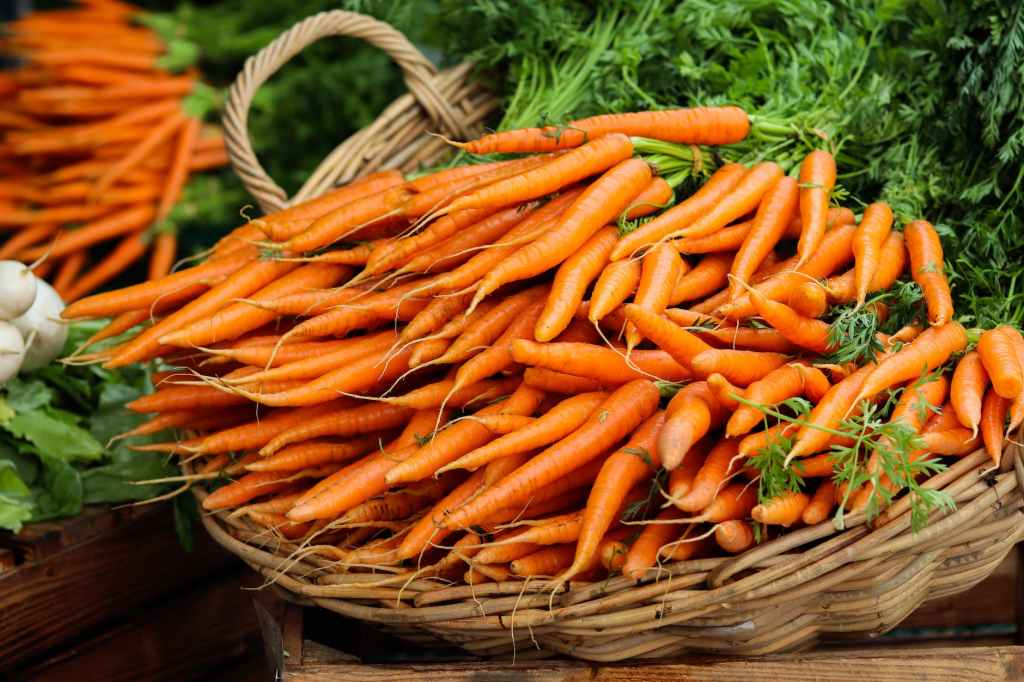
I admired the uniform appearance of her perfectly peeled carrots inside a mason jar.
“Oh these carrots? These are fermented,” she replied. She looked slightly smug. Or was it my imagination because I felt inferior in that moment? I’d brought homemade chicken and vegetables for our snack, so it’s not like we were eating doughnuts, but still.
“Oh, I have ‘The Art of Fermentation’ book at home but haven’t gotten around to reading it,” I said.
“Oh, it’s so easy. Just dissolve 2 teaspoons of salt in 3 cups of water and pour it in the jar. Leave the jar out for three days until you see the white bubbles floating and then put it in the fridge.”
Friends, it was literally that easy. I added garlic and some fresh oregano to these babies. (And I wish I had been able to add dill, but it’s too early to harvest).
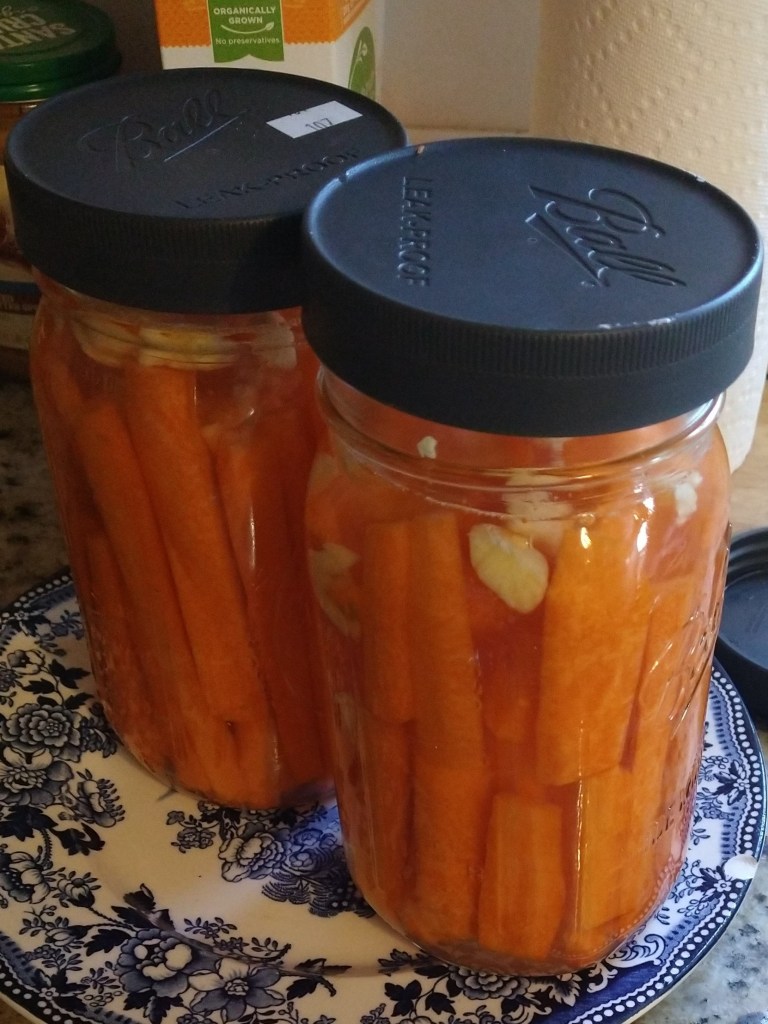
You know when you build something up as more difficult than it really is simply because it’s the first time you’ve ever done it? Then you do it and wonder why it took you so long?
That’s how this was. I’ve since fermented cabbage with caraway seeds and garlic and was thrilled when Anthony loved it! I typically struggle to get him to eat cabbage, but it’s obviously packed with nutrients, so this has me floating on clouds. When Anthony loves something I cook, especially something as nutrient dense as cabbage, I live off that joy for days.

A note of caution, as always: One of the things I learned from reading my GAPS diet book is that some people can have adverse reactions to fermented foods because even a drop of fermented foods can trigger a healing crisis for them. If your gut health is severely compromised in this way, the author recommends continuing to drink meat stock for a few months to heal more and then giving fermented foods another try.
I’d like to share some other culinary discoveries but will wait until next week since they’re not related to fermentation. In the meantime, I hope you’ll join me in enjoying the tangy flavor of fermented foods as the weather heats up. I’m grateful for their flavor and nutrition, and for chance meetings with other moms that inspire me to try new things.
If you enjoy fermenting other foods, please let me know in the comments!
Thank you those of you who have signed up to receive updates this week! For those of you planning your readership, I’ll be releasing a post on Monday about what I worked on for Lent (I know, I know….I’m late on posting it) and another food post this coming Thursday.
Thank you for visiting and have a great day!
Thank you for sharing!
Please click here to return to the homepage.
 tea and tenderness
Leave a comment